

LifeWays News

Commentary: Michigan needs more behavioral health professionals. Is federal policy measuring the value of their education correctly?
Michigan knows it has a workforce problem. The state is putting real resources toward solving it, including investments in social work education and training. But at the same time, federal policymakers are changing the way graduate programs are financed and evaluated, making it harder to enter the field.
One of the newest changes deserves particular attention because it could affect not only how students pay for graduate education, but whether some programs can continue participating in the federal student loan system at all. The federal government’s new earnings-accountability system is intended to identify programs whose graduates do not earn enough to meet a specified earnings benchmark and prevent them from taking out federal student loans.
If Michigan Needs More Social Workers, Can We Afford to Make the Education Required to Become One Harder to Finance?
For the people who need behavioral health services, workforce shortages are not an abstract policy issue. They mean longer waits, fewer providers accepting new clients, and fewer professionals available to serve communities that need them.
Michigan is already experiencing this shortage. The state is working to address the shortage of mental health professionals, including investing millions of dollars to grow the behavioral health workforce. But as Michigan invests in its behavioral health workforce, new federal policies could counter that progress.

Unsung heroes: LifeWays’ executive leads from behind the scenes
Unsung heroes staffing Michigan’s community mental health agencies make a real difference for Michiganders, featuring our COO, Shannan Clevenger.
LifeWays Announces Michigan Recovery Incentives Program
LifeWays Lead Therapist, Kaily Enbody sits down to chat with Bart Hawley about the Michigan Recovery Incentives Program.

Mobile mental health crisis van coming to Jackson and Hillsdale counties
The mobile unit will allow trained mental health professionals to provide crisis response, screenings, assessments and short-term therapy in communities across the county.
Lifeways getting new van to help mental health services in Jackson and Hillsdale
Residents in Jackson and Hillsdale counties will benefit from expanded mobile crisis services.
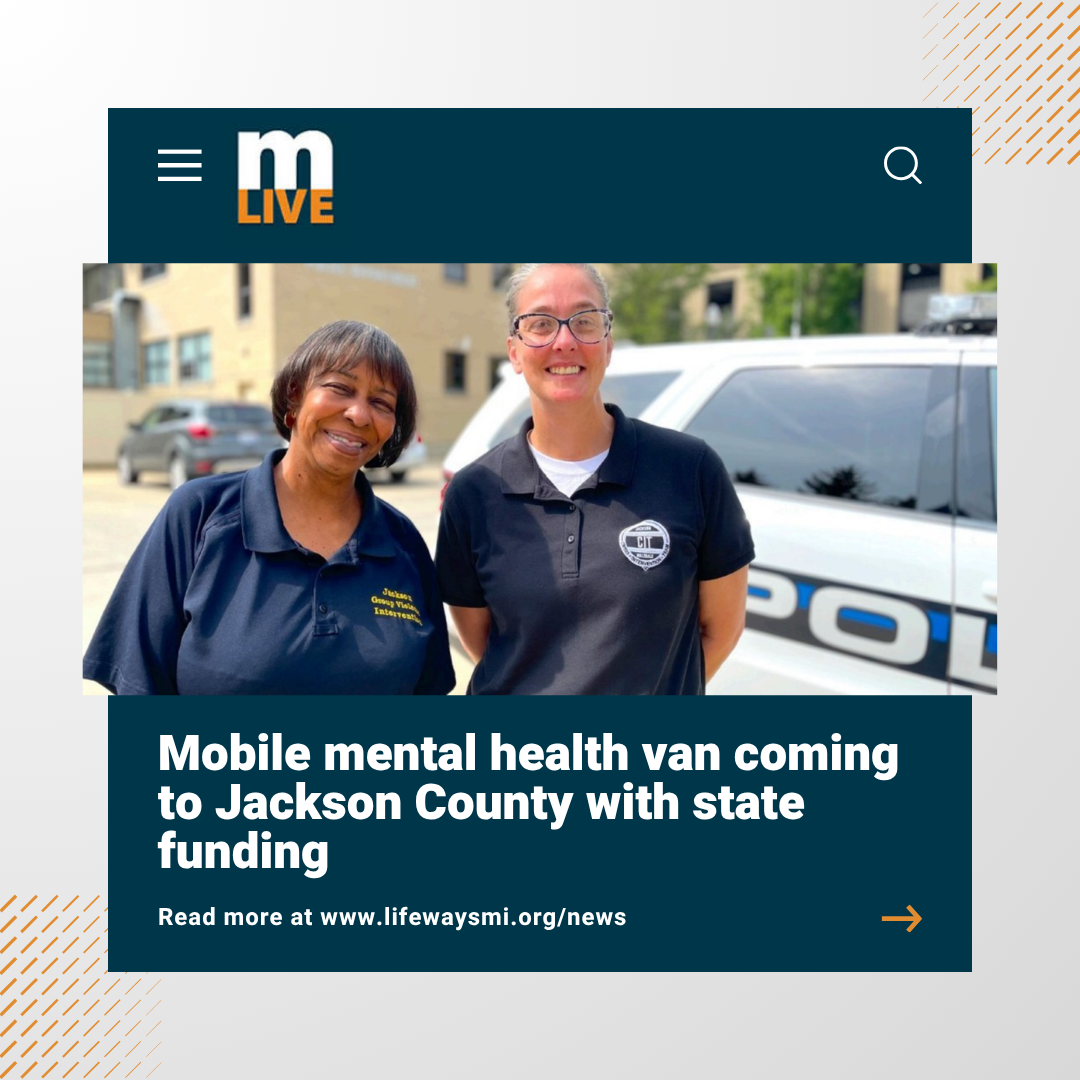
Mobile mental health van coming to Jackson County with state funding
Residents in Jackson and Hillsdale counties will benefit from expanded mobile crisis services.
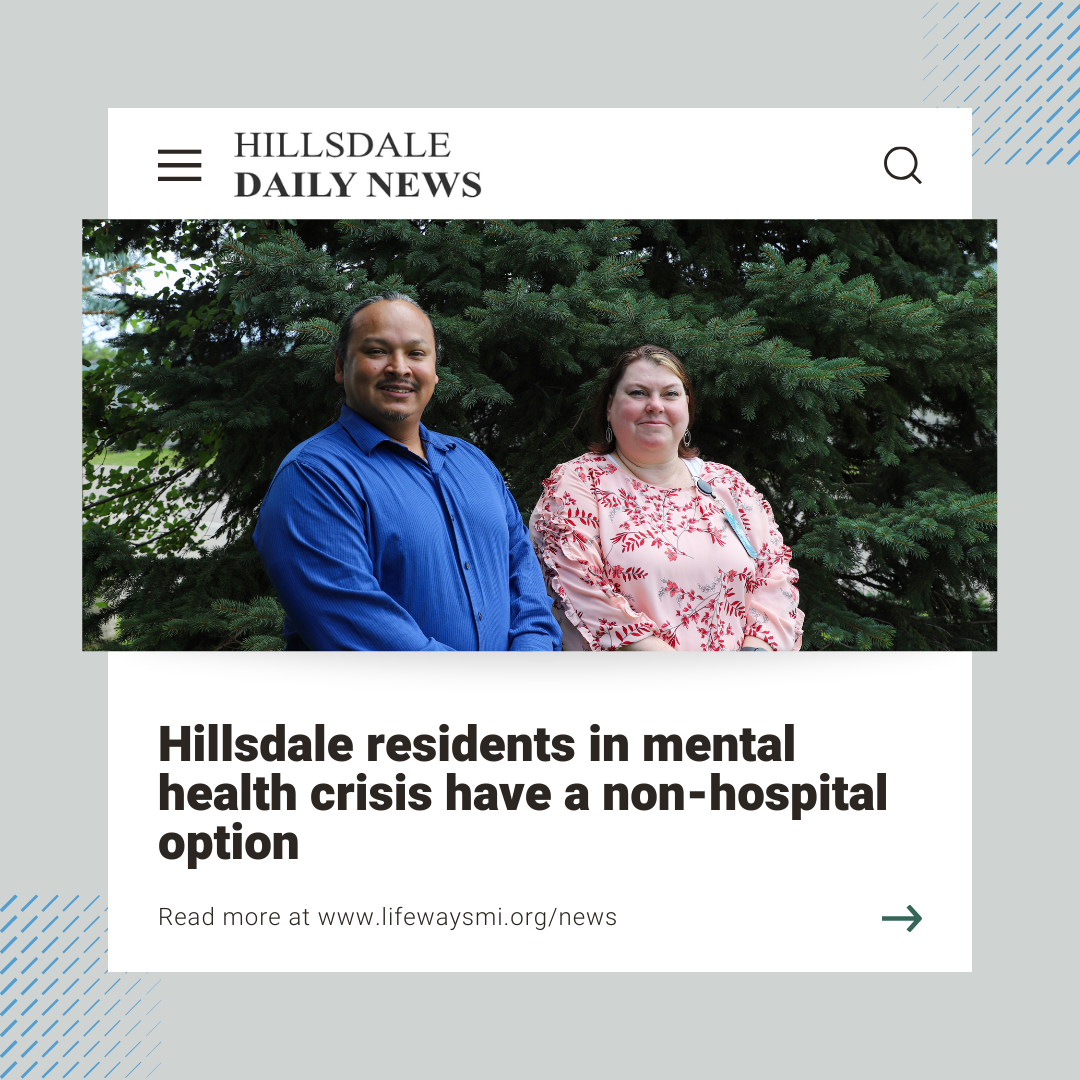
Hillsdale residents in mental health crisis have a non-hospital option
Local residents experiencing a mental health crisis have an alternative to hospitalization through LifeWays’ Crisis Residential Unit.

LifeWays CEO Cassandra Watson Shares Community Health Successes
LifeWays CEO Cassandra Watson sits down to chat with Bart Hawley after 6 months of her tenure as CEO.
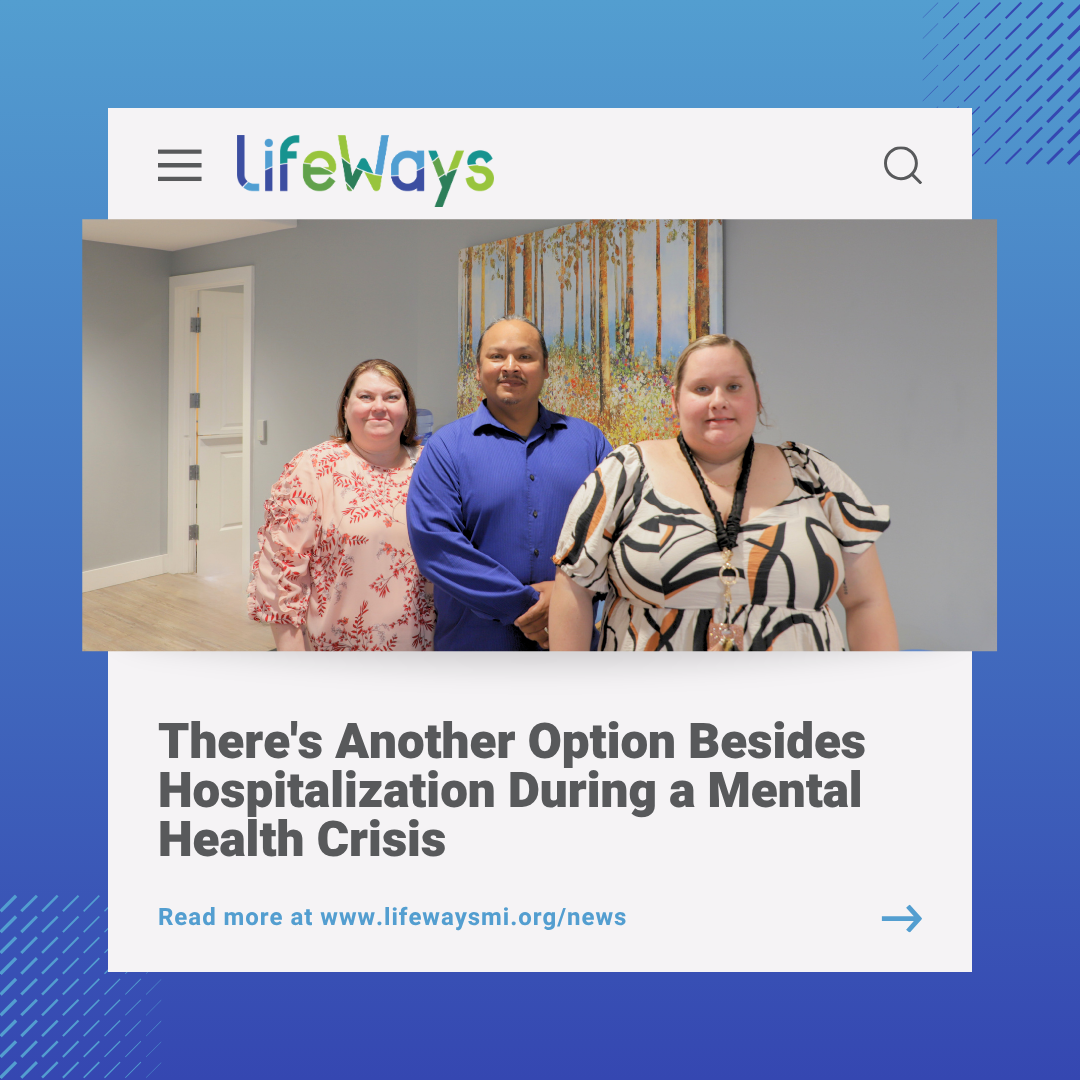
There's Another Option Besides Hospitalization During a Mental Health Crisis
When someone experiences a mental health crisis, many people assume hospitalization is the only place to turn. But for some individuals, another option exists; One designed specifically to provide support, stability, and time to recover in a safe, home-like setting.

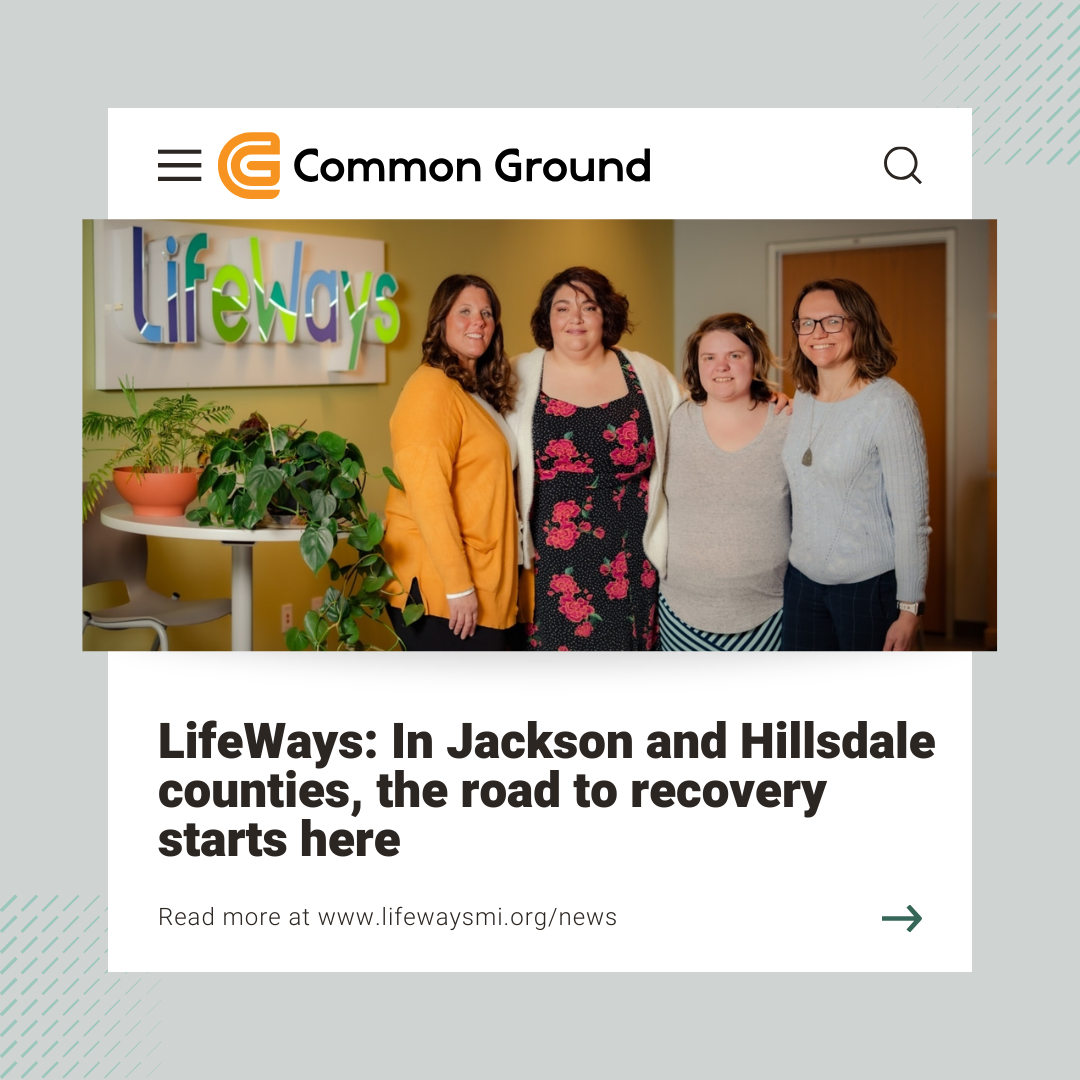
LifeWays: In Jackson and Hillsdale counties, the road to recovery starts here
Like many Michigan Certified Community Behavioral Health Clinics and community mental health agencies, LifeWays supports people in recovery.
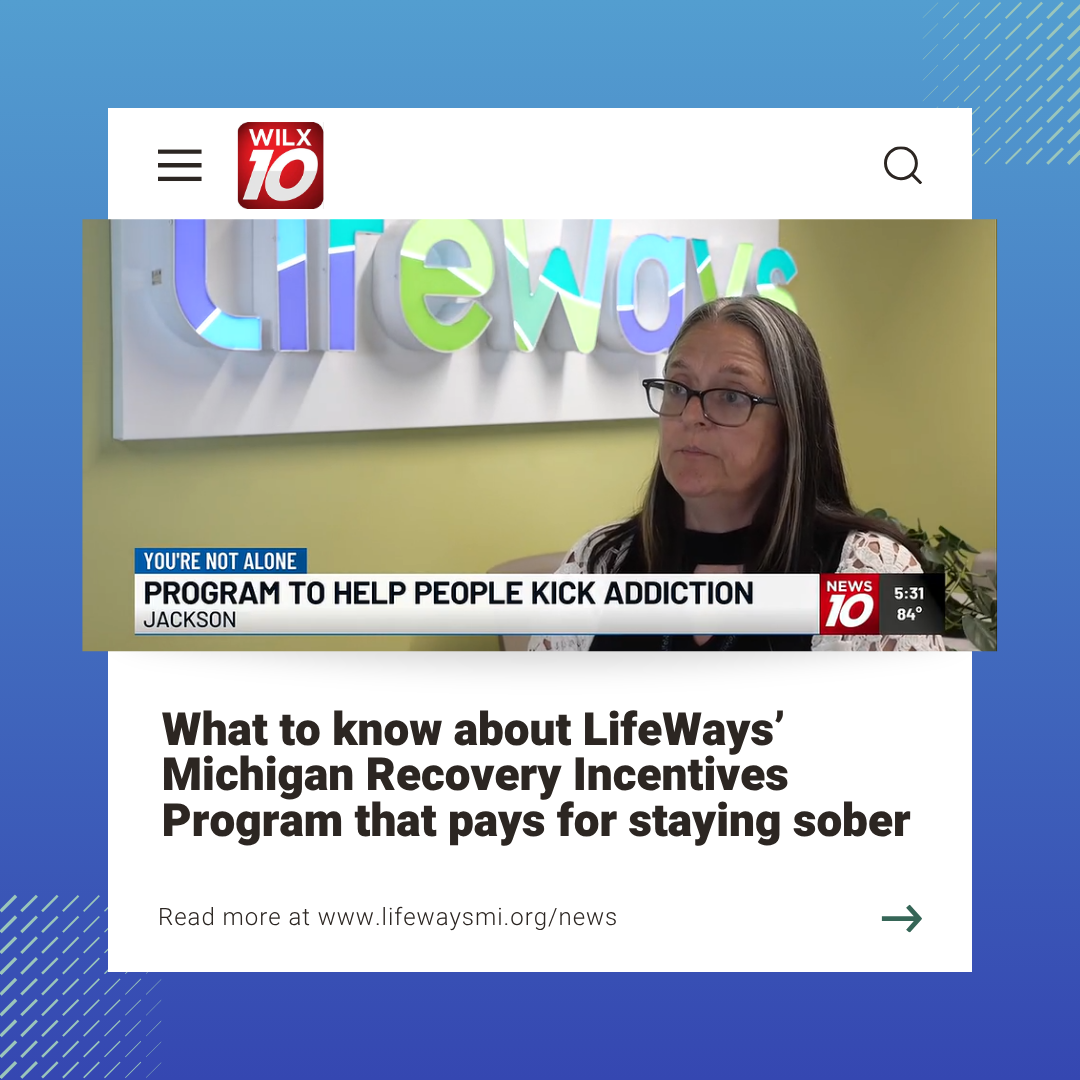
What to know about LifeWays’ Michigan Recovery Incentives Program that pays for staying sober
Lifeways offers a 24-week initiative that pays up to $599 for attending weekly appointments and completing negative drug tests.
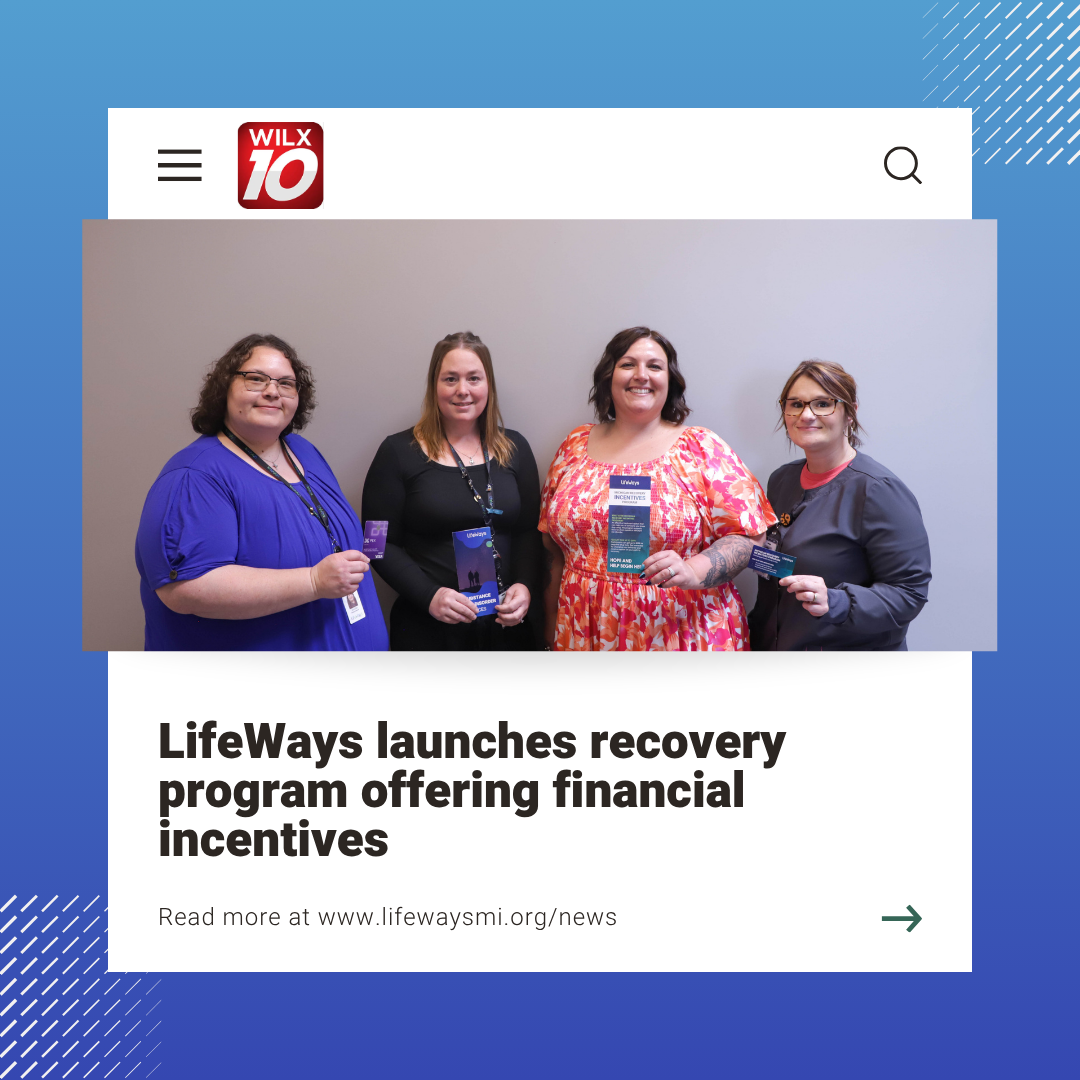
LifeWays launches recovery program offering financial incentives
LifeWays is offering a new approach to substance use treatment through the Michigan Recovery Incentives Program, a pilot initiative that uses financial incentives to encourage recovery.
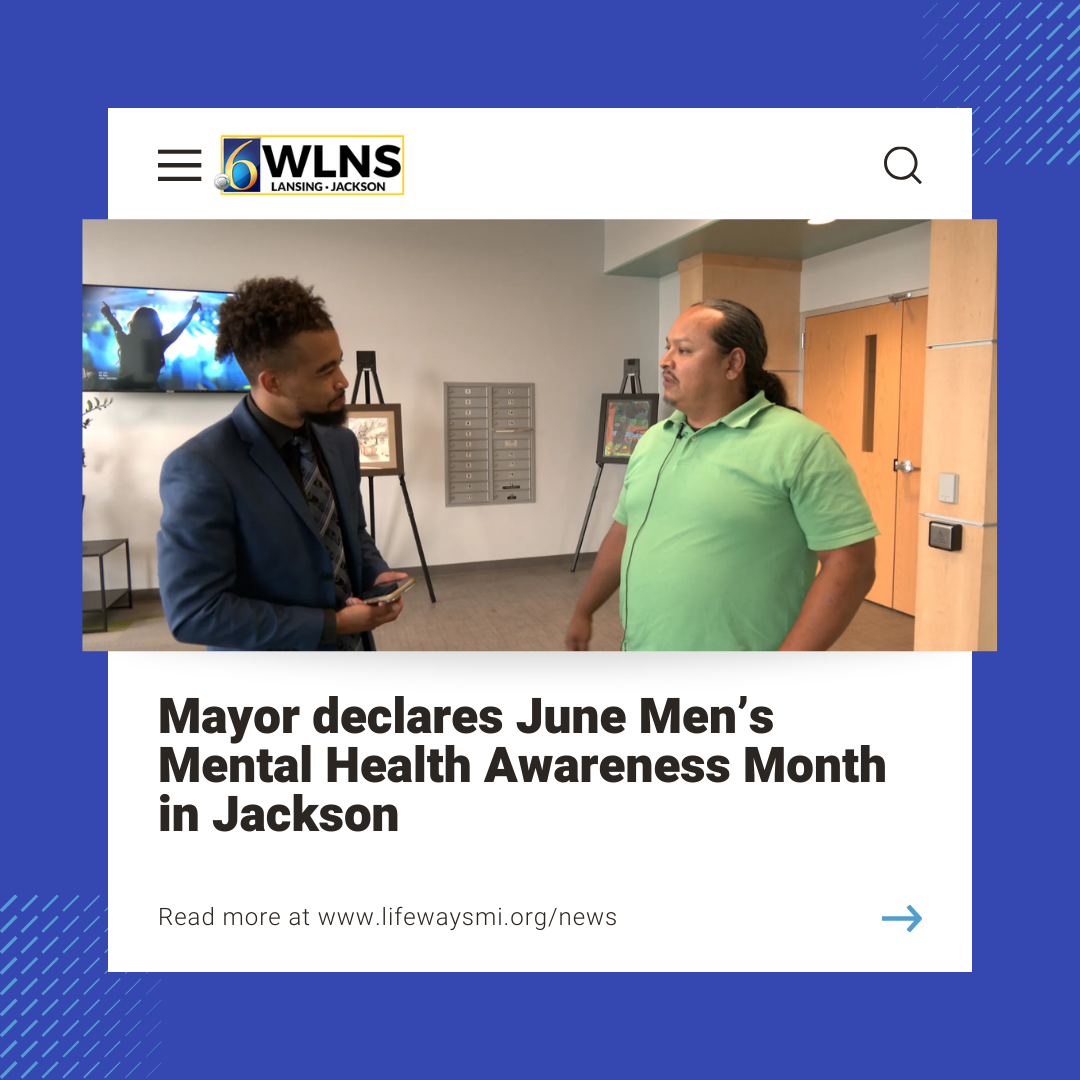
Mayor declares June Men’s Mental Health Awareness Month in Jackson
June is Men’s Mental Health Awareness Month, and Jackson community leaders are working to increase the hard conversations and encourage Michiganders to seek professional help through local community resources.
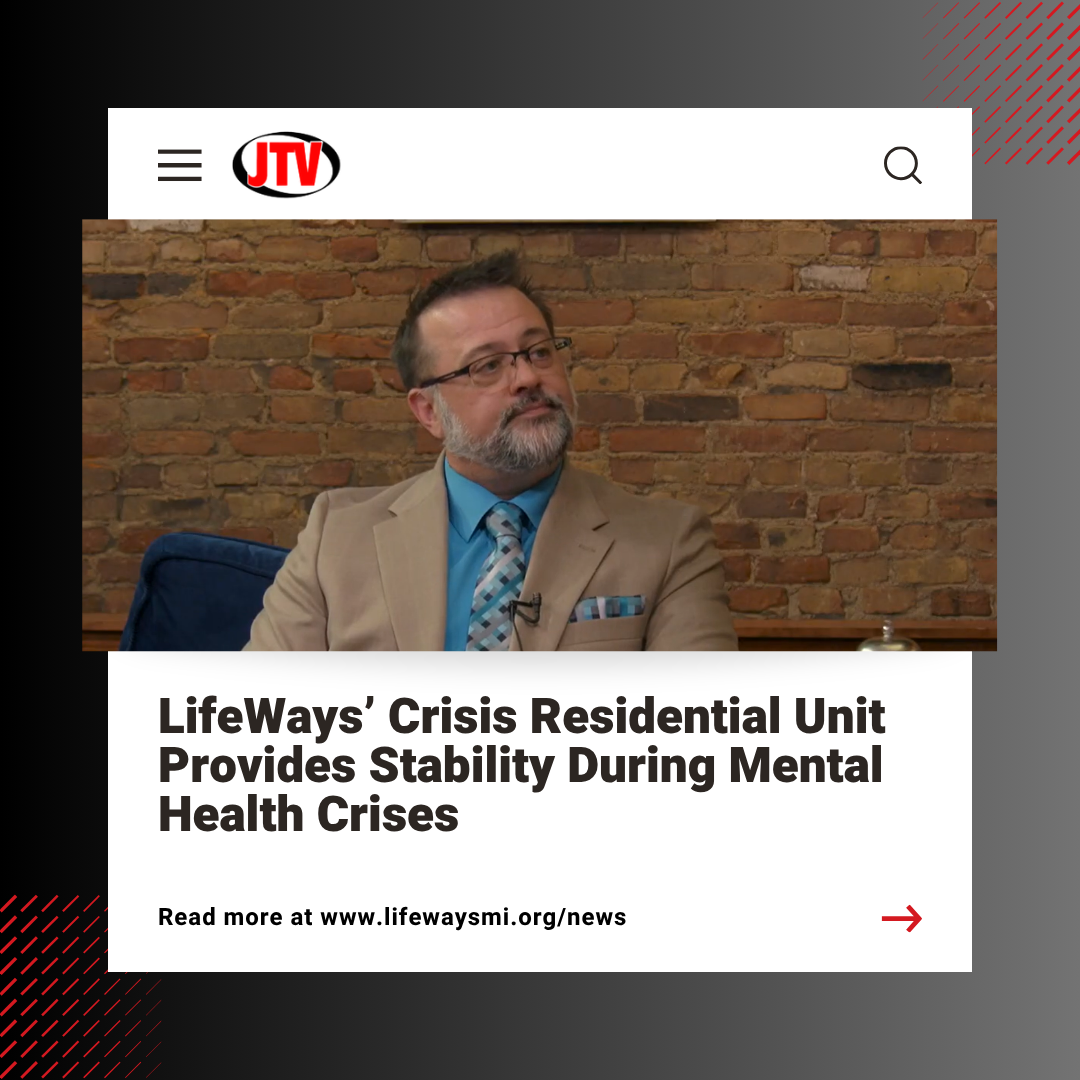
Lifeways’ Crisis Residential Unit Provides Stability During Mental Health Crises
Jeff Caler, LifeWays’ new Executive Director of Access and Crisis Services, is helping connect people to support.
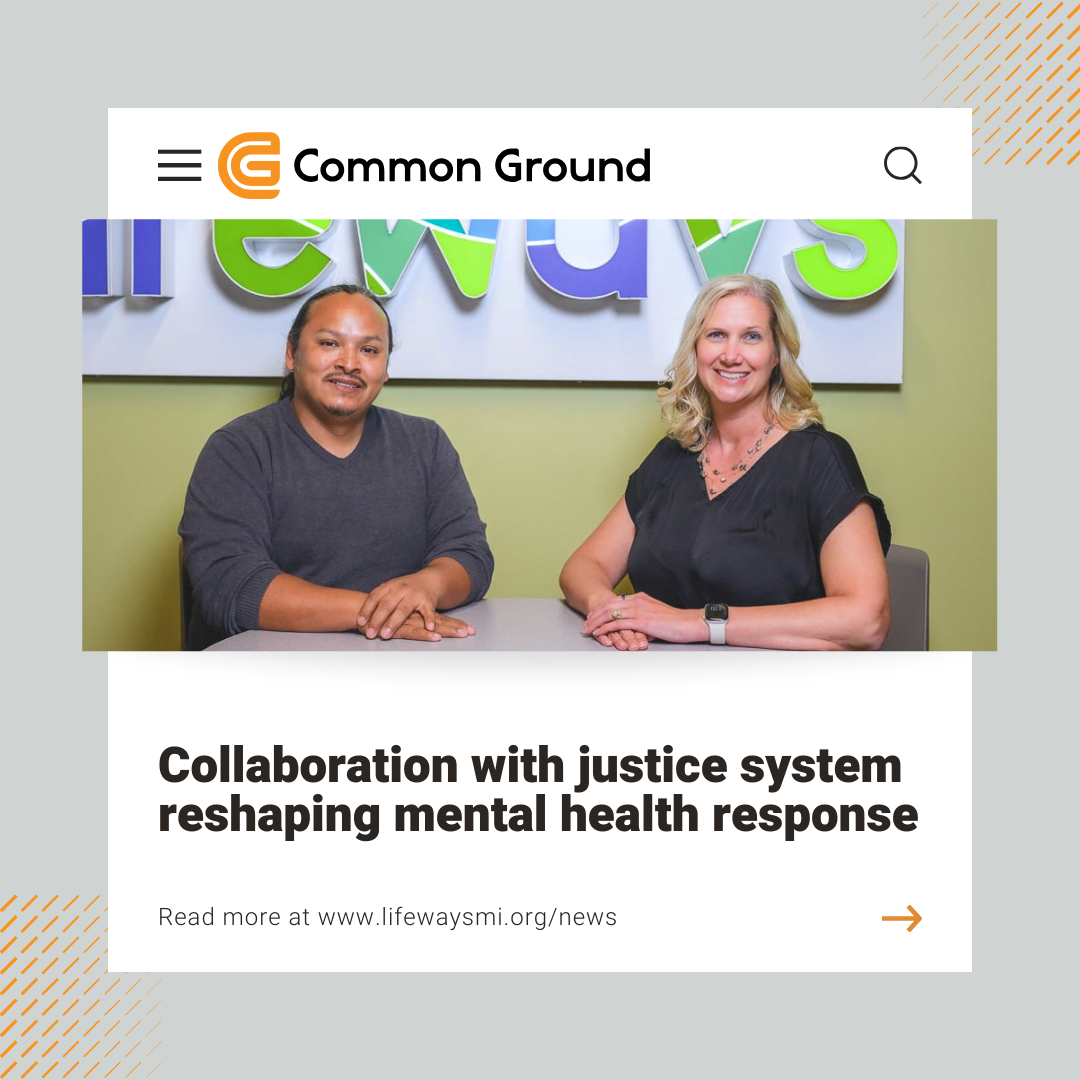
Collaboration with justice system reshaping mental health response
Communities benefit when law enforcement, courts, and jails work alongside mental health providers.
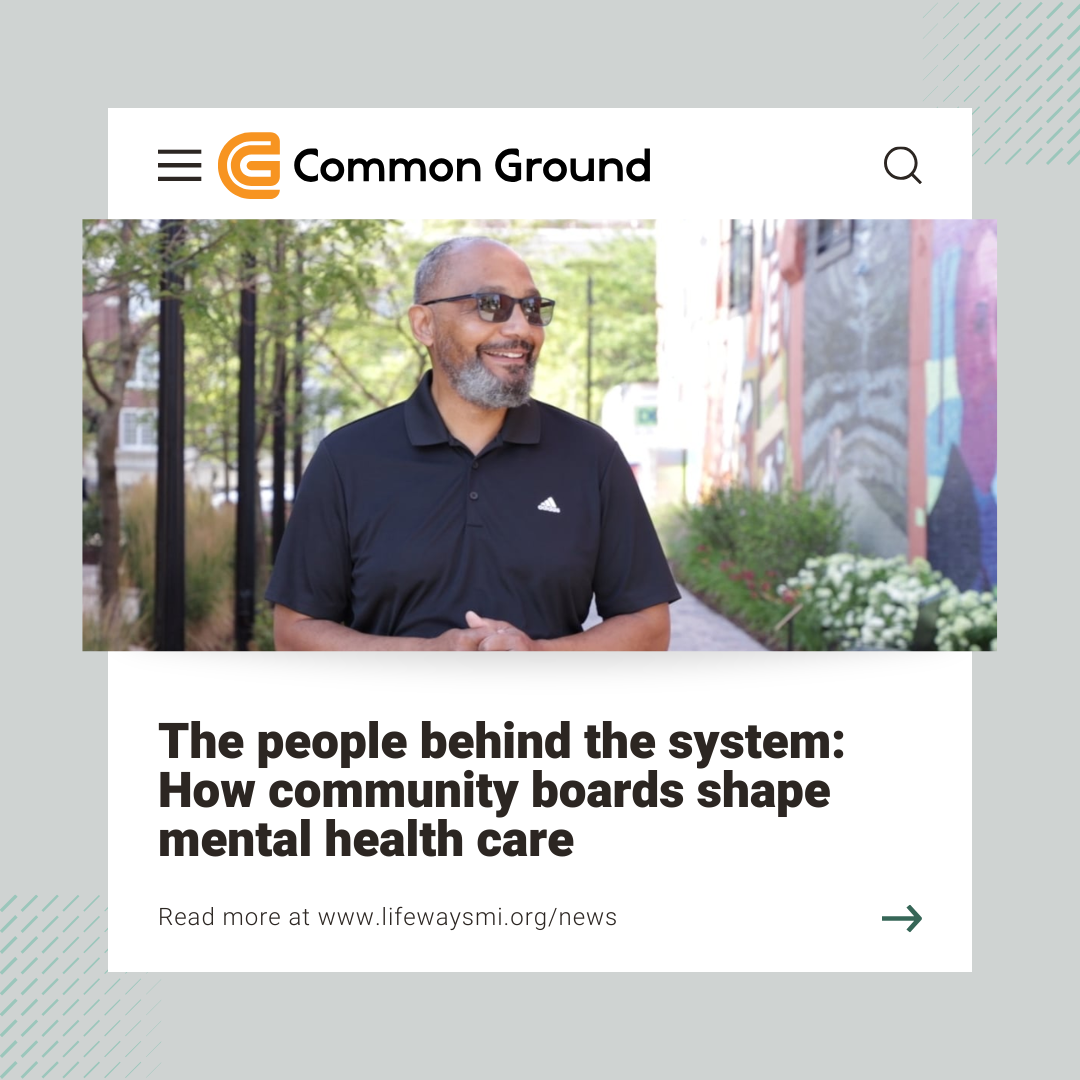
The people behind the system: How community boards shape mental health care
Community mental health boards play a critical role in designing, funding, and delivering mental health services.