

There's Another Option Besides Hospitalization During a Mental Health Crisis
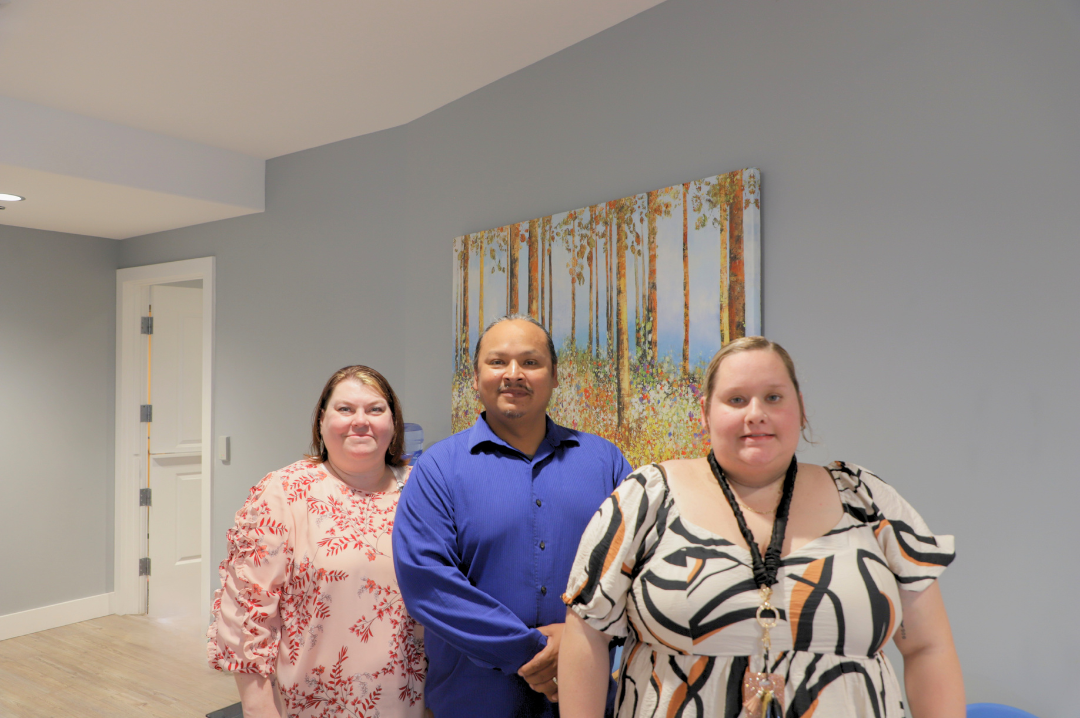
LifeWays’ Crisis Staff. Left to Right: Tricia Bortell, Fred Delos Santos, and Brianna Morgan.
Jackson - When someone experiences a mental health crisis, many people assume hospitalization is the only place to turn. But for some individuals, another option exists; One designed specifically to provide support, stability, and time to recover in a safe, home-like setting.
Between outpatient treatment and inpatient psychiatric hospitalization, there is often a gap in care. LifeWays' Crisis Residential Unit (CRU) was created to help fill it. The program provides short-term residential support for adults experiencing a mental health crisis who need additional stabilization in a safe, recovery-focused environment.
Mental health crises don't always look the way people expect. A mental health crisis is defined by the individual experiencing it; if a person believes they are in crisis, then they are. They can involve overwhelming anxiety, severe depression, escalating symptoms of a mental illness, emotional distress, or other situations where someone is struggling to remain safe and stable. While these situations require immediate attention, they don't always require the intensity of a hospital setting.
Instead, the CRU offers individuals the opportunity to stabilize in a recovery-focused environment while receiving around-the-clock support from trained crisis staff.

Jeff Caler, Executive Director of Access and Crisis Services
Mental health crises don't always look the way people expect. A mental health crisis is defined by the individual experiencing it; if a person believes they are in crisis, then they are. They can involve overwhelming anxiety, severe depression, escalating symptoms of a mental illness, emotional distress, or other situations where someone is struggling to remain safe and stable. While these situations require immediate attention, they don't always require the intensity of a hospital setting.
Instead, the CRU offers individuals the opportunity to stabilize in a recovery-focused environment while receiving around-the-clock support from trained crisis staff.
"One of the biggest misconceptions about mental health crises is that hospitalization is the only option," said Jeff Caler, Executive Director of Access and Crisis Services. "For many individuals, that's simply not the case. Our Crisis Residential Unit gives people another path, one that emphasizes recovery, dignity, and stabilization in a comfortable environment. All while connecting them with the supports they need moving forward."
Residents stay in private bedrooms and have access to shared living spaces, a full kitchen, laundry facilities, and supportive staff 24 hours a day. The program is designed to help individuals regain stability while developing a plan for continued recovery after discharge.
The CRU serves adults who:
Are 18 years or older*
Are willing to participate voluntarily in treatment
Need short-term crisis stabilization but may not require inpatient psychiatric hospitalization
*Some exceptions may apply.
CRU stays can be as long as 14 days, allowing individuals time to stabilize, connect with resources, and prepare for their next steps in recovery.

Fred Delos Santos, Director of Crisis Services
"Mental health recovery doesn't happen overnight," said Fred Delos Santos, Director of Crisis Services. "Sometimes people need more than a counseling appointment, but they don't need a hospital. The Crisis Residential Unit fills that space by providing compassionate care during one of the most difficult moments in a person's life."
The program is also an important resource for families who may not know where to turn when someone they love is experiencing a mental health crisis.
Instead of trying to determine what type of care is needed on their own, individuals, family members, healthcare providers, law enforcement, and community partners are encouraged to contact LifeWays' 24/7 Crisis Line.
A trained crisis professional will assess the situation and help determine the most appropriate level of care, including whether the Crisis Residential Unit is the right fit.
"Our message to the community is simple," said Caler. "You don't have to know exactly what kind of help is needed before reaching out. If you or someone you care about is experiencing a mental health crisis, start by calling us. We'll help determine the next step."
As behavioral health needs continue to grow across Michigan and the nation, community-based crisis services have become increasingly important in ensuring individuals receive the right care at the right time while reducing unnecessary hospitalizations and supporting recovery closer to home.
Anyone seeking help for themselves or someone they care about can contact the LifeWays 24/7 Crisis Line at 1 (800) 284-8288. Crisis professionals are available around the clock to assess each situation and connect individuals with the most appropriate services.
For more information about the Crisis Residential Unit, visit www.lifewaysmi.org/crisis-residential-unit