

Simple Self-Care Tips That Make a Difference

Self-care doesn’t always come as our first priority. It’s easy to put everyone else first and overlook our own needs. Taking intentional steps to care for ourselves helps us feel more balanced and better regulate our emotions.
The World Health Organization (WHO) defines self-care as “the ability of individuals, families, and communities to promote health, prevent disease, maintain health, and to cope with illness and disability with or without the support of a healthcare provider.”
Self-care has been proven to be connected to better health, stronger mental fitness, and an improved ability to cope during times of distress. We’ve crafted a list of simple self-care practices that can help you take better care of your physical, mental, and emotional well-being.

Build exercise into your daily routine
Taking short walks can help boost your mood, move your body, and allow you to get some fresh air. Sometimes life gets in the way and there’s not always time to set aside for exercise. Try parking further away at work or the grocery store, doing a lap around the office every hour, or even just taking the stairs. Small changes can help boost your mood and refocus your mind.
Some other quick and easy ways to incorporate movement into your daily routine include stretching, morning yoga, yardwork, taking the stairs, and bodyweight exercises. Even simple movements like these help support well-rounded health. Try starting with small goals and celebrate progress and commitment to build healthy habits.

Schedule a small chunk of time for yourself
Setting aside small chunks of time for yourself allows you to reset and prioritize your own wants and needs. A study found that having just 15 minutes of time alone a day can lead to less stress and increased relaxation.
It doesn’t have to be anything extraordinary. Try reading a book, taking a nap, making your favorite snack, doing a hobby, or meditating. Taking a few minutes to focus on yourself can help you recharge and enjoy slowing down.
Try a new activity or class
Self-care can look like trying new things that you’ve been wanting to do. Take a cooking class or learn how to make pottery. Go to yoga once a week or attend trivia nights on Tuesday. Activities outside your normal routine can bring a new sense of excitement and engage your brain.

Make home cooked meals
Eating a hearty meal at home ensures you know the ingredients going into your body and allows you to eat fresh foods that you love. Preparing your own meals can also act as a grounding technique, keeping your mind in the present moment and diverting stress into tasks.
Meal prepping is also a great way to look after yourself and make your life a little simpler. By preparing meals ahead of time, you can reduce time spent cooking and planning your meals each day, saving more time and energy for other priorities.
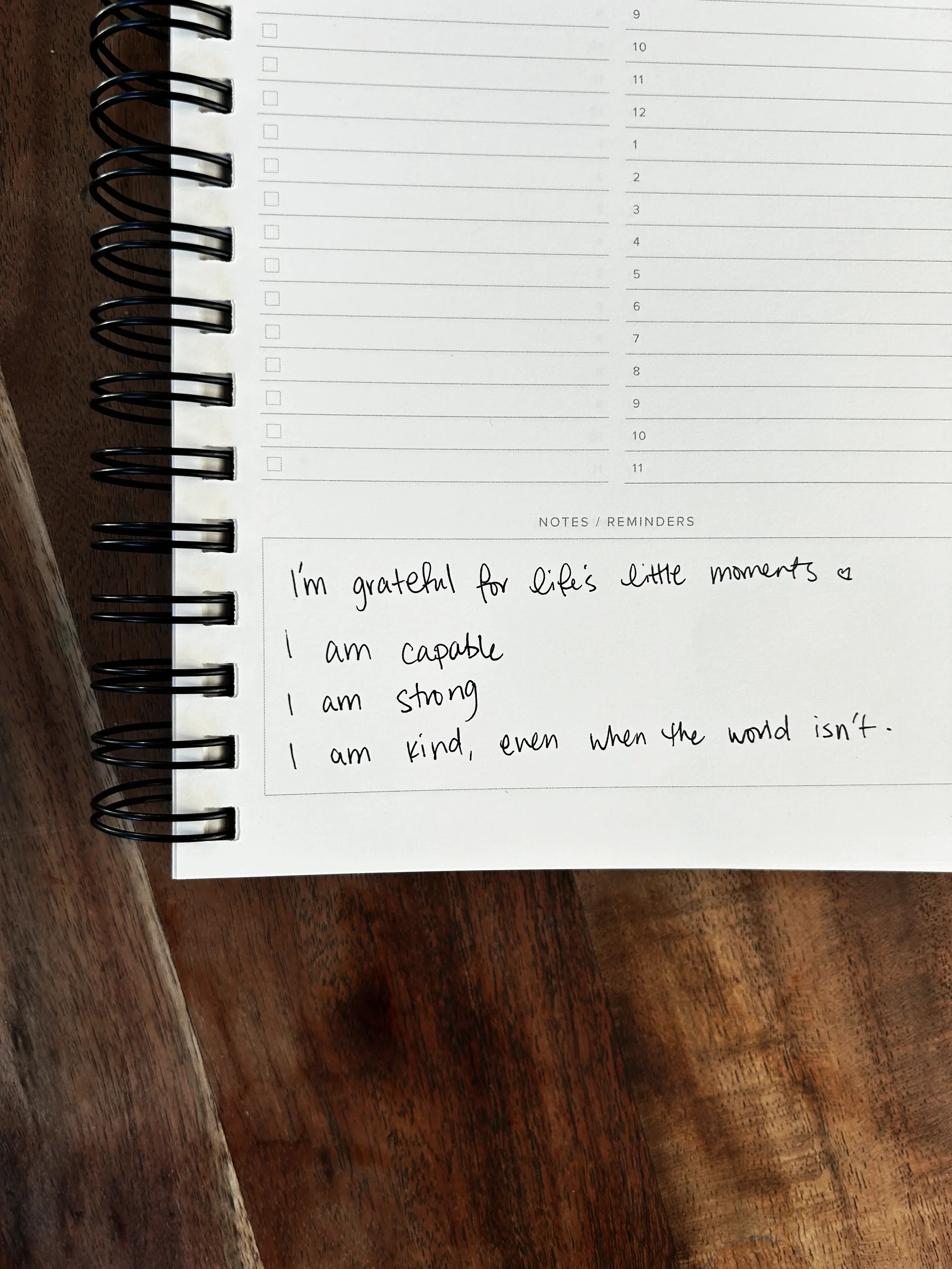
Make a gratitude list
Don’t like journaling? Try making a gratitude list. Write down five things you are thankful for or things that made you happy today. Consciously focusing on the positives happening in your life helps reframe negative emotions and appreciate the smaller things in life.
It can be as simple as talking about the great weather today, a compliment you received from a coworker, or finishing a big task. This helps you celebrate even the little wins in life and bring more awareness to the good things you experience each day.
Go to bed early
Are you tired at 9 pm? Give yourself permission togo to bed early. Getting extra sleep can help you prevent burnout and support your mental health. Aligning with your natural circadian rhythm may improve hormone balance, heart health, and metabolic function. Earlier bedtimes are also linked to improved brain function and recovery, and better sleep quality.
Self-Care should be simple
Taking care of your mind and body should be rewarding, not draining. Keep your self-care simple and sustainable. Its most effective form comes in small, daily habits that support your physical, mental, and emotional well-being.