


CRISIS RESPONSE + COMMUNITY SAFETY
SAFE Program Enhances Emergency Response for Residents with Special Needs
In FY25, LifeWays partnered with the Jackson County Sheriff’s Office to launch the SAFE (Special Assistance for Emergencies) Program—an initiative designed to improve emergency response for residents with disabilities or special needs. The program allows individuals and families to voluntarily share critical information with dispatch, helping first responders better understand and support individuals before arriving on scene.
By providing details such as communication preferences, medical needs, or calming strategies, SAFE helps responders approach situations with greater awareness, improving safety and overall interactions.
“Every emergency is unique, and advance knowledge that a resident may need a specialized approach can significantly improve outcomes,” said Jackson County Sheriff Gary Schuette.
“This program helps ensure first responders have the information they need to respond safely and effectively,” said Fred Delos Santos, Director of Crisis Services at LifeWays. “It’s about improving outcomes and supporting individuals with care and understanding.”
This partnership reflects a shared commitment to more informed, responsive emergency care for individuals and families across Jackson County.

Fred Delos Santos and Sheriff Gary Scheutte on JTV
Crisis Data
CISM Interventions
Critical Incident Stress Management (CISM) supports communities after traumatic events through on-site interventions. In FY 2025, CISM provided 4 postvention responses.
4
0
0
4
Jackson County
CISM postvention
responses in FY 2025.
Hillsdale County
CISM postvention
responses in FY 2025.
Crisis Intervention Training (CIT)
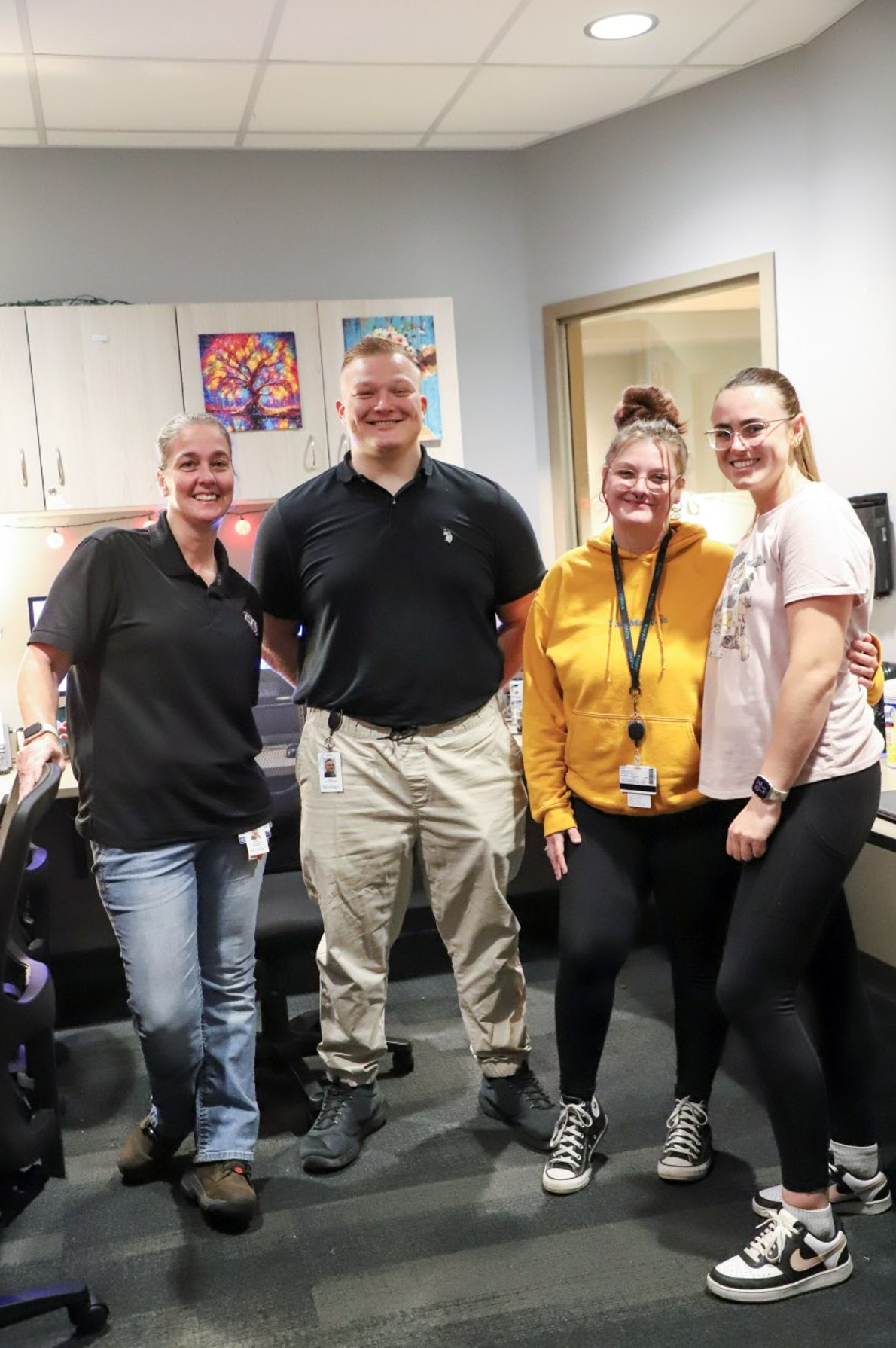
CIT Training prepares patrol officers to continue their patrol duties, now with a specialization in assisting people experiencing a mental health crisis.
16
Jackson County
Officers trained in FY 2025.
Hillsdale County
Officers trained in FY 2025.
Washtenaw County
Officers trained in FY 2025.
Mental Health Treatment Court Launches in Jackson County
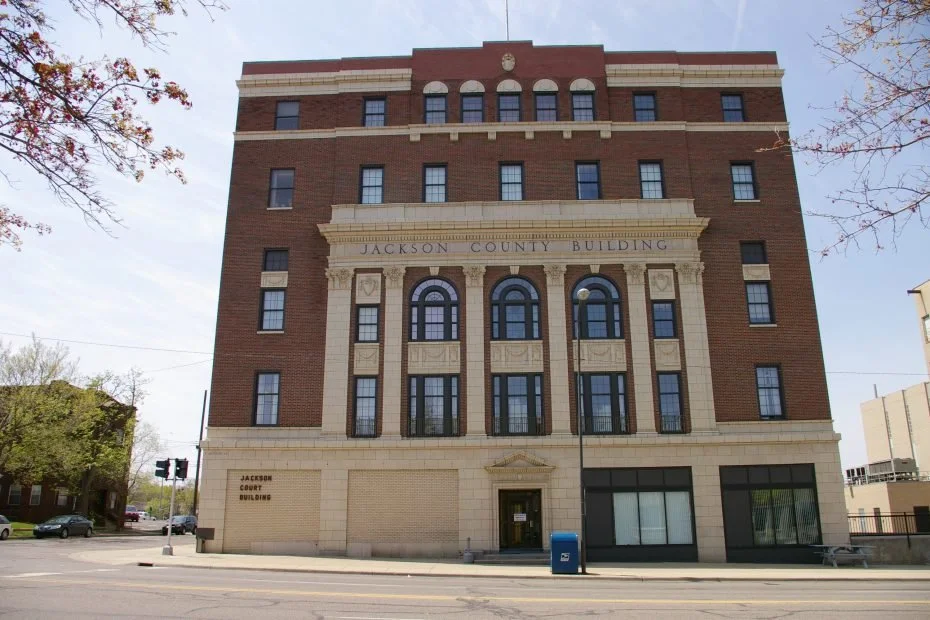
In FY25, LifeWays, in partnership with the 12th District Court, reached a major milestone with the launch of the Mental Health Treatment Court—an innovative, certified problem-solving court designed to support individuals with serious mental illness involved in the criminal justice system. By the end of the fiscal year, the program began accepting its first participants, marking the transition from planning to implementation.
The Mental Health Treatment Court serves eligible individuals charged with misdemeanor or felony offenses where mental illness was a contributing factor, offering a structured alternative to incarceration for non-violent offenders. Through this program, participants receive coordinated mental health and substance use treatment, psychiatric care, and community-based supports while remaining accountable to the court.
This initiative represents a strong collaboration between the criminal justice and behavioral health systems, bringing together partners including the 12th District Court, probation offices, public defenders, prosecutors, and LifeWays providers. Together, they support a shared goal: improving outcomes while enhancing public safety.
With capacity to serve up to 30 participants at a time, the program emphasizes accountability, recovery, and long-term stability. As participants begin progressing through the program’s phases, LifeWays and its partners will continue to build and refine this approach, creating new pathways to recovery and reduced recidivism in the community.
Improving Assisted Outpatient Treatment Through Court Collaboration
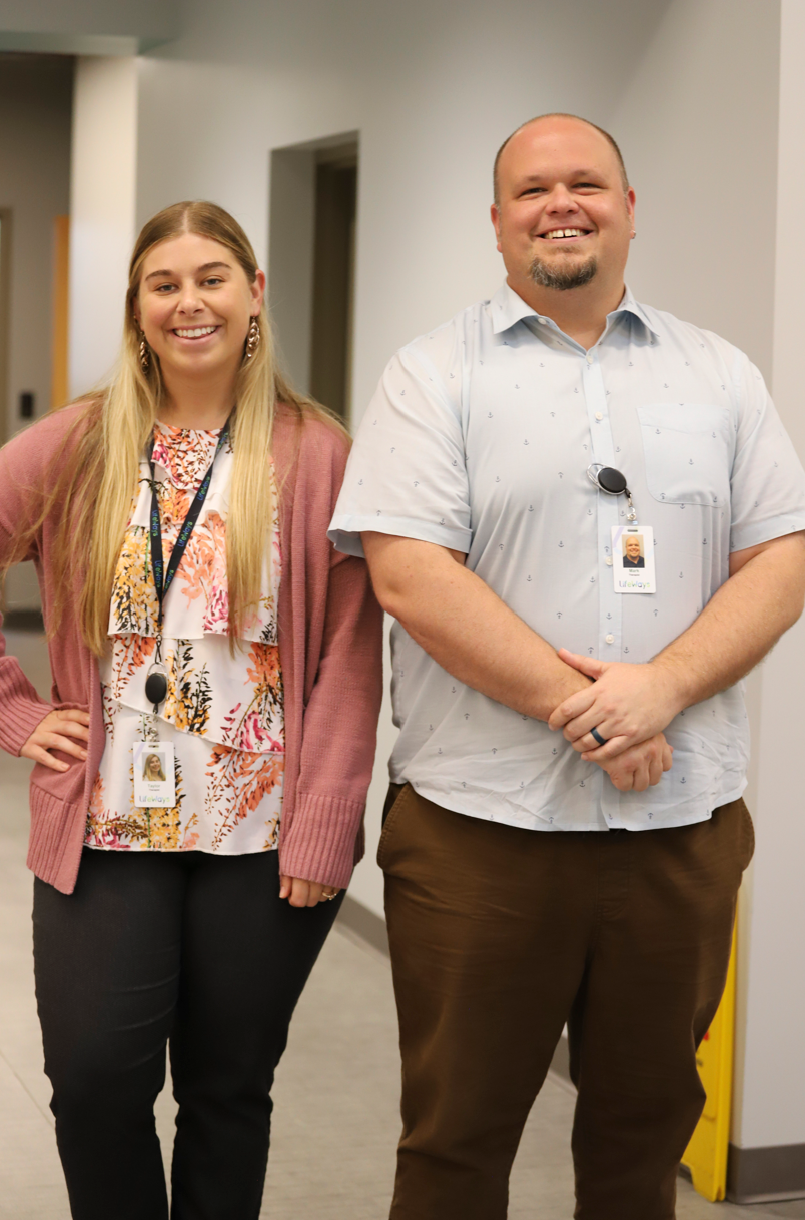
In FY25, LifeWays continued to strengthen Assisted Outpatient Treatment (AOT), a court-ordered, community-based mental health program designed to support individuals with serious mental illness who may struggle to consistently engage in treatment on their own. AOT provides a structured, least restrictive alternative to hospitalization, helping individuals remain safe, stable, and connected in the community while working toward long-term recovery.
This year, efforts focused on improving coordination among key partners, including treatment providers, hospitals, and the courts. Stronger communication, clearer expectations, and more consistent follow-up helped streamline the AOT process and reduce barriers to care. LifeWays also collaborated with court partners to develop forms and procedures that support timely referrals, smoother transitions, and more effective oversight.
These improvements are helping individuals experience fewer gaps in services while increasing access to treatment and recovery supports. With stronger coordination, participants are better positioned to remain independent in the community, avoid crises, and build trust with providers.
Early impacts include increased treatment participation, improved continuity of care, and reductions in crisis events such as emergency room visits or hospitalizations. Just as importantly, collaboration among partners has created a stronger shared commitment to timely, person-centered support.
Looking ahead, LifeWays remains focused on expanding supportive services, enhancing engagement strategies, and using data to guide future improvements. Through continued partnership and early intervention, AOT is helping individuals move beyond repeated cycles of crisis and toward greater stability and wellness.
Jail Mental Health Services:
Supporting Stability and Reentry
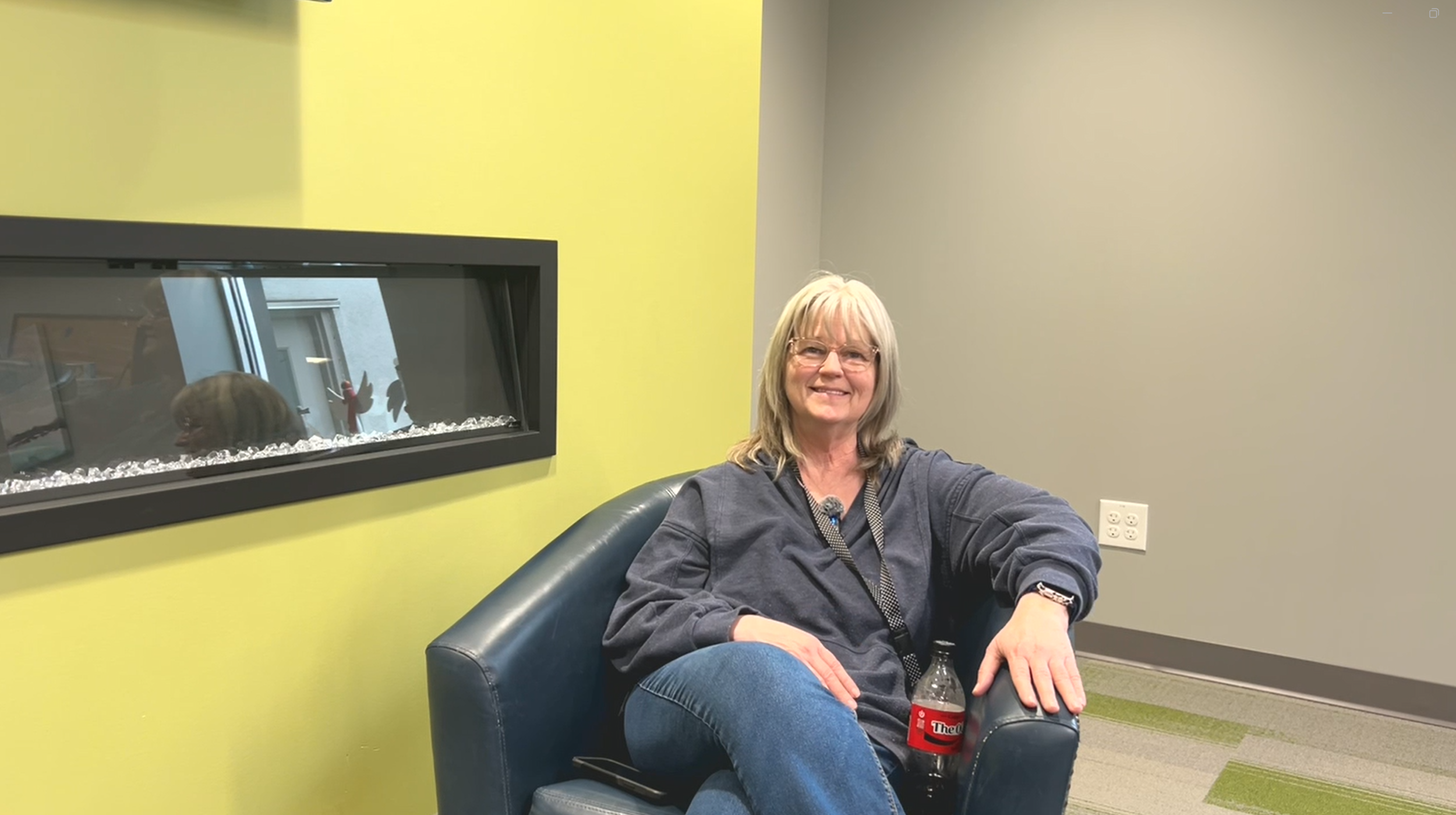
In FY25, LifeWays continued to expand mental health services within the local jail system, providing individuals with access to care, support, and resources during incarceration and as they prepare to return to the community. These services—supported in part by the Jackson County Mental Health Millage—include daily therapeutic groups, individual counseling, mental health assessments, and education on topics such as trauma, substance use, and recovery.
This year, new partnerships and enhancements strengthened the program’s impact. Peer Recovery Coaches from Home of New Vision began providing on-site support multiple days each week, while community partners—including the Secretary of State, Community Action Agency, and workforce development programs—help individuals obtain identification, build job skills, and prepare for employment upon release.
These services play a critical role in helping individuals regulate emotions, cope with uncertainty, and build skills for long-term stability. Early trends show increased engagement in treatment following release, supporting smoother transitions back into the community and reducing the likelihood of reoffending.
Looking ahead, services will continue to expand, including new programming for individuals housed at the Wesley facility, further strengthening support for both men and women in the system.
Advocating with Recipient Rights
RECIPIENT RIGHTS
In compliance with the Michigan Mental Health Code, the Office of Recipient Rights advocates for people who receive mental health services and for applicants, by offering recipient rights protection.
Those receiving mental health services from LifeWays and its Provider Network have their rights guaranteed by Michigan’s Mental Health Code, other provisions of law, and the Constitutions of Michigan and the United States.
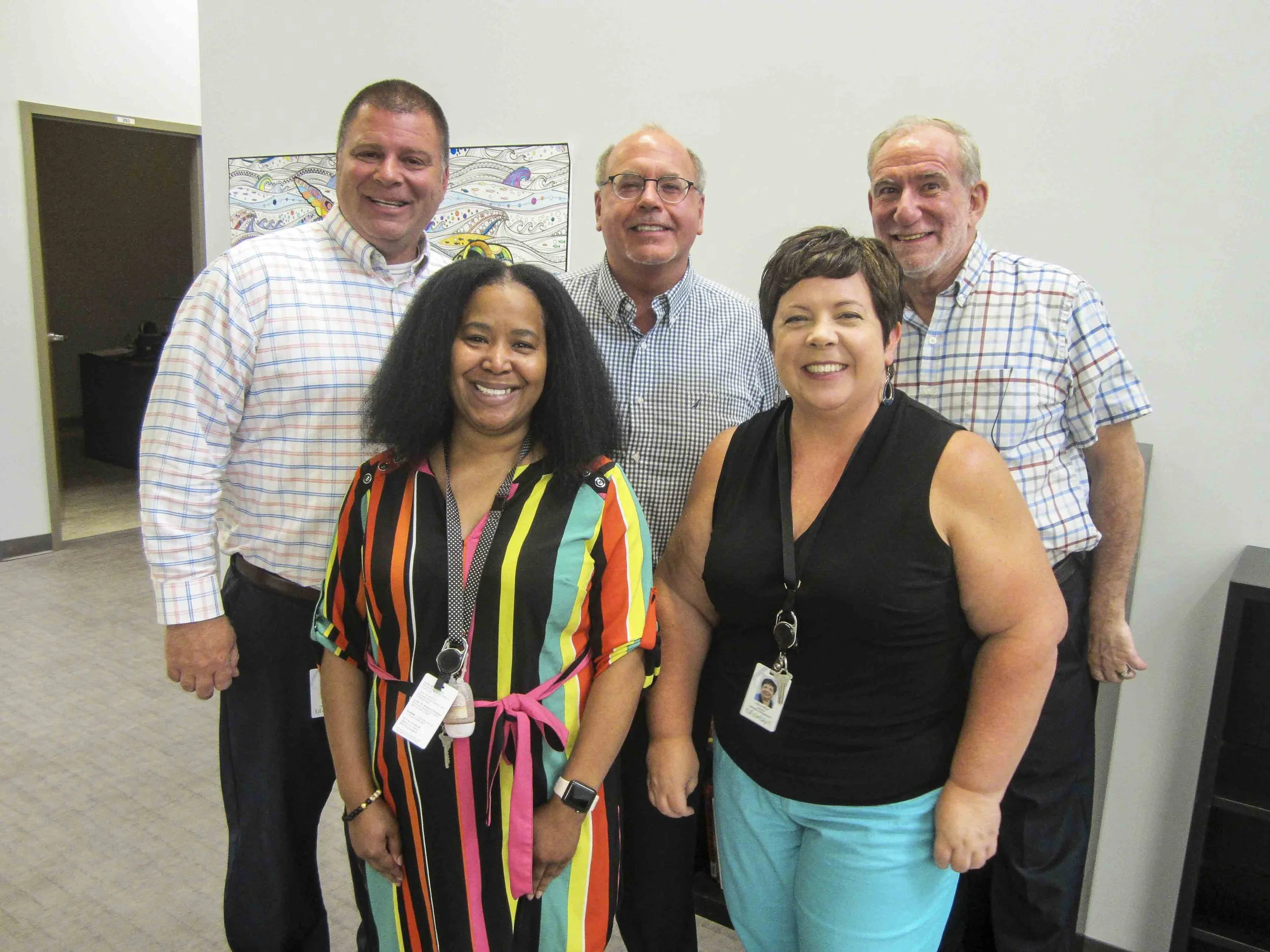
TOP ALLEGATIONS INVESTIGATED IN FY 2025
Mental Health Services Suited To Condition
Dignity and Respect
Neglect Class III
Abuse Class II Non Accidental Act
Abuse Class III
COMPLAINTS INVESTIGATED
In FY 2025, 233 complaints were investigated by Recipient Rights,
83 of those complaints were substantiated. LifeWays takes all substantiated complaints very seriously and corrective actions are taken when complaints are substantiated.