


SUPPORTING CHILDREN, FAMILY, + RECOVERY
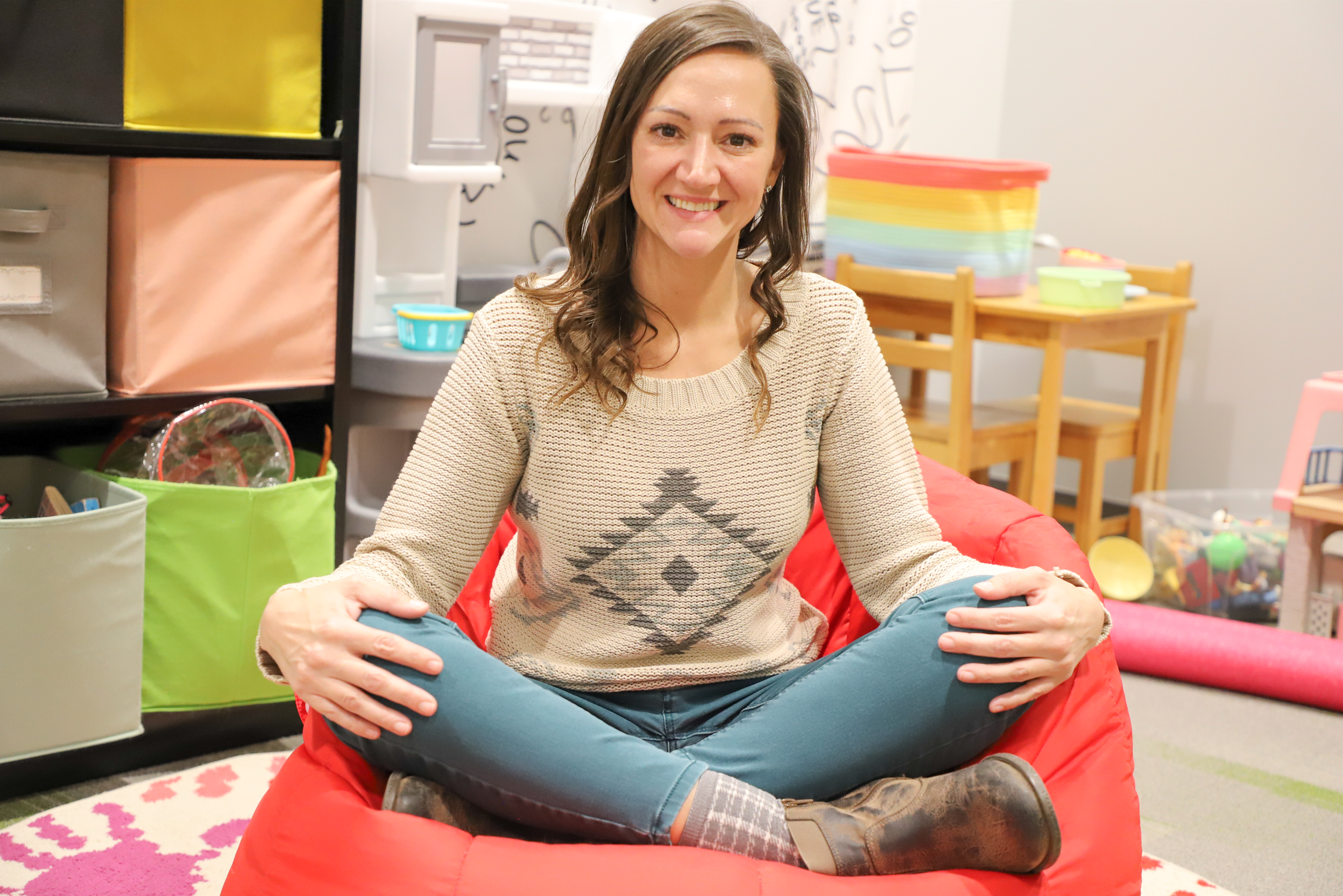
Infant Mental Health: Building Strong Foundations from the Start
In FY25, LifeWays’ Infant Mental Health (IMH) program continued to grow, reaching more families and strengthening early childhood development across the community. Increased referrals—driven by expanded use of the MichiCANS screener within child welfare systems—and growing awareness of early childhood development and autism have contributed to a rise in assessments and services, particularly among infants and young children in foster care.
IMH services focus on supporting the relationship between caregivers and their children during the most critical years of development. Through in-home visits, clinicians work alongside families to strengthen attachment, support social-emotional development, and help caregivers better understand their child’s needs.
For one young child, this support was life-changing. After entering foster care, she struggled with sleep disruptions, difficulty regulating her emotions, and behaviors such as hitting and biting. She also experienced speech delays and had difficulty forming secure attachments. Her foster family turned to LifeWays for support, and through Infant Mental Health services, clinicians worked closely with both the child and her caregivers over time.
As trust and consistency grew, so did her progress. She began to regulate her emotions, improve her communication, and build healthy connections. Today, she is developmentally on track, enrolled in preschool, and thriving in a stable, permanent home.
“It is an honor to serve infants and their caregivers. This work is about strengthening relationships and supporting families in ways that can change the course of a child’s life,” said Andrea Bricker, Supervisor of Community Based Services, Case Management.
This work reflects a broader commitment to early intervention and prevention—helping families build strong relationships and brighter futures from the very beginning.
Infant Mental Health by the Numbers
Assessments are just the beginning. Infant Mental Health services often continue over time, supporting families through ongoing developmental stages. Because of this, the number of individuals served is much higher than the number of initial assessments.
423
104
Individuals served in FY25*
Assessments completed (↑ from 94 in FY24)
Peak service volume reached in Q2! (153 individuals)
Domestic Violence Groups
Promoting Accountability for Safer Families
LifeWays’ Domestic Violence Groups provide court-ordered treatment designed to reduce violence and support healthier relationships within the community. These groups focus on helping participants understand their behaviors, develop coping strategies, and build skills to manage stress and conflict in more constructive ways.
In FY25, the program saw meaningful progress, with several participants successfully completing treatment without reoffending—an important indicator of long-term impact. Participants report gaining valuable tools to navigate life’s challenges, with one individual sharing, “I feel that I learned a lot and can cope better with life’s disappointments.”
By emphasizing accountability and behavior change, the program helps break cycles of violence and supports safer, more stable families. As the program continues to grow, plans include expanding staffing and integrating additional support through internship opportunities, ensuring continued access to this critical service.
The Impact of Prevention
We believe that educating our communities about mental illness and behavioral health is one of the very best things we can do to increase awareness and decrease stigma. Openly discussing mental health not only fosters an environment of inclusion, but it can create real change and acceptance for those experiencing mental health challenges.
People trained in
Mental Health First Aid
71
People trained at
Community Conversations
Topics include: Embracing Mental Health, Setting Boundaries, Mental Health + Aging, De-Escalation and Conflict Resolution, Safety Care for Families, and Sextortion.
568
People participated in
Wellness Programs/Activities
372
Community Involvement
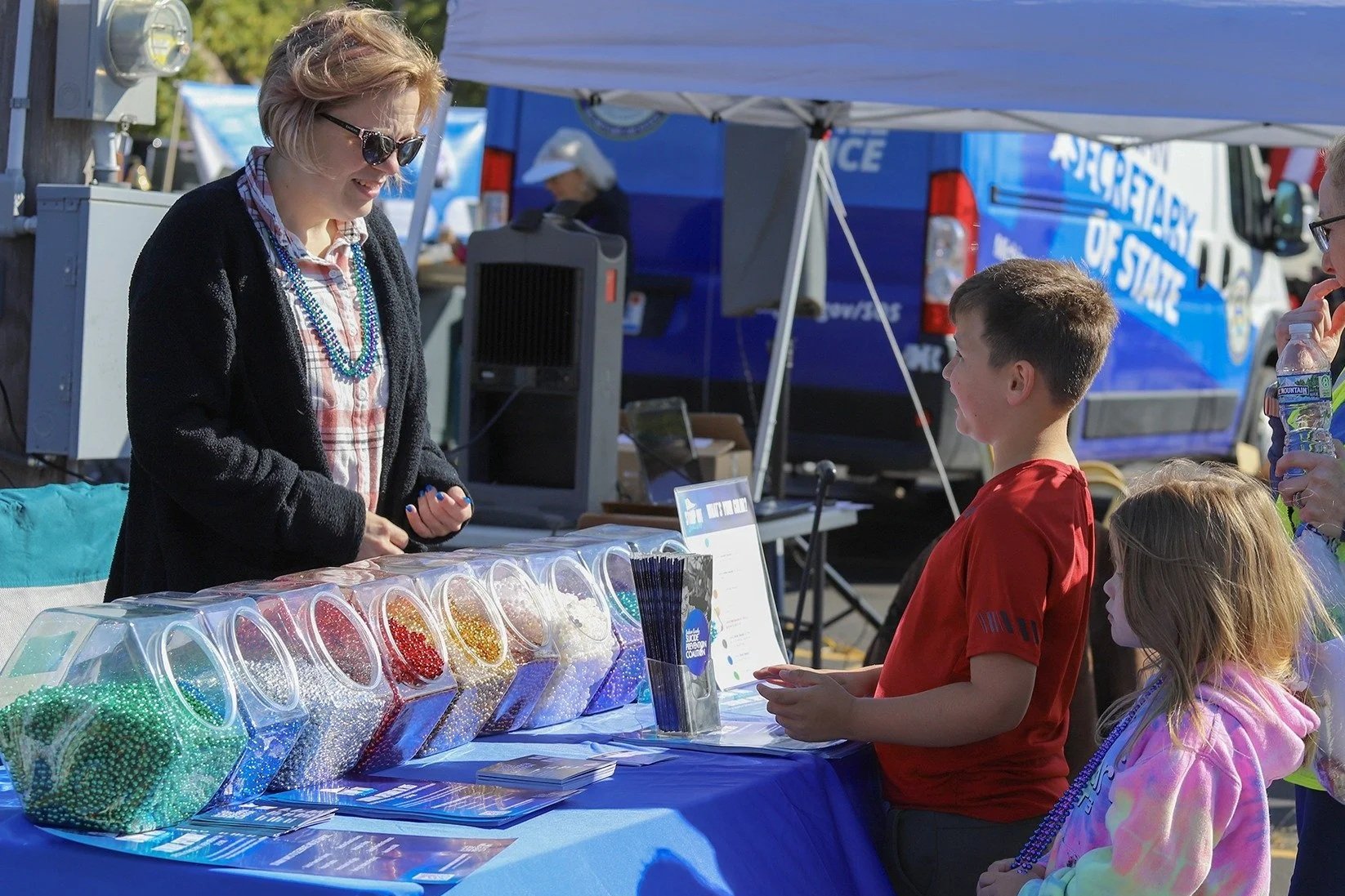
We believe that meaningful community connections are essential to promoting mental wellness. By showing up, listening, and engaging with our neighbors, we demonstrate our commitment to building a stronger, healthier community for all.
Community Events Attended
LifeWays’ Engagement Team and Community Health Workers support people in our community to live their full lives by addressing Social Determinants of Health (SDoH), connecting individuals with other resources in the community, and providing screenings and connection outside of LifeWays buildings.
LifeWays’ Engagement Team and Community Health Workers can take access “on the road” and take a look at how we can support the community needs where they are. LifeWays’ Communications department also frequently attends events in the community.
23